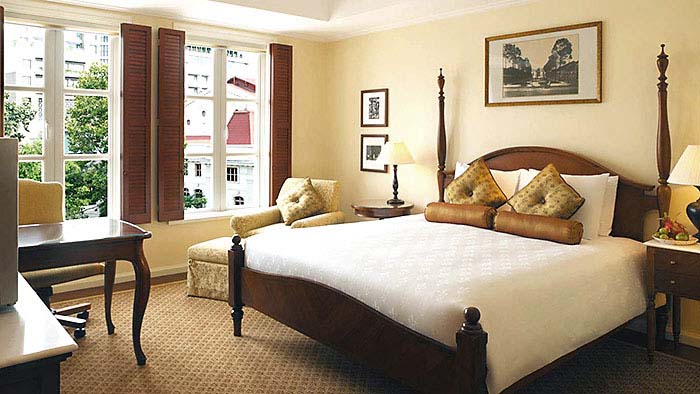
In 1994 we were the first American tour company in Vietnam. Our headquarters remains in Hanoi and over our three decades, Vietnam has made everyone's list as a top place to visit. Why? Vietnam is one of the most vibrant and exciting countries in the world. Every turn brings a new thrill, fascinating sights, and the unexpected. But without exception, the thing our past travelers marvel at more than anything else are the Vietnamese, unfailingly friendly and gregarious as you'll soon discover shortly after arrival.
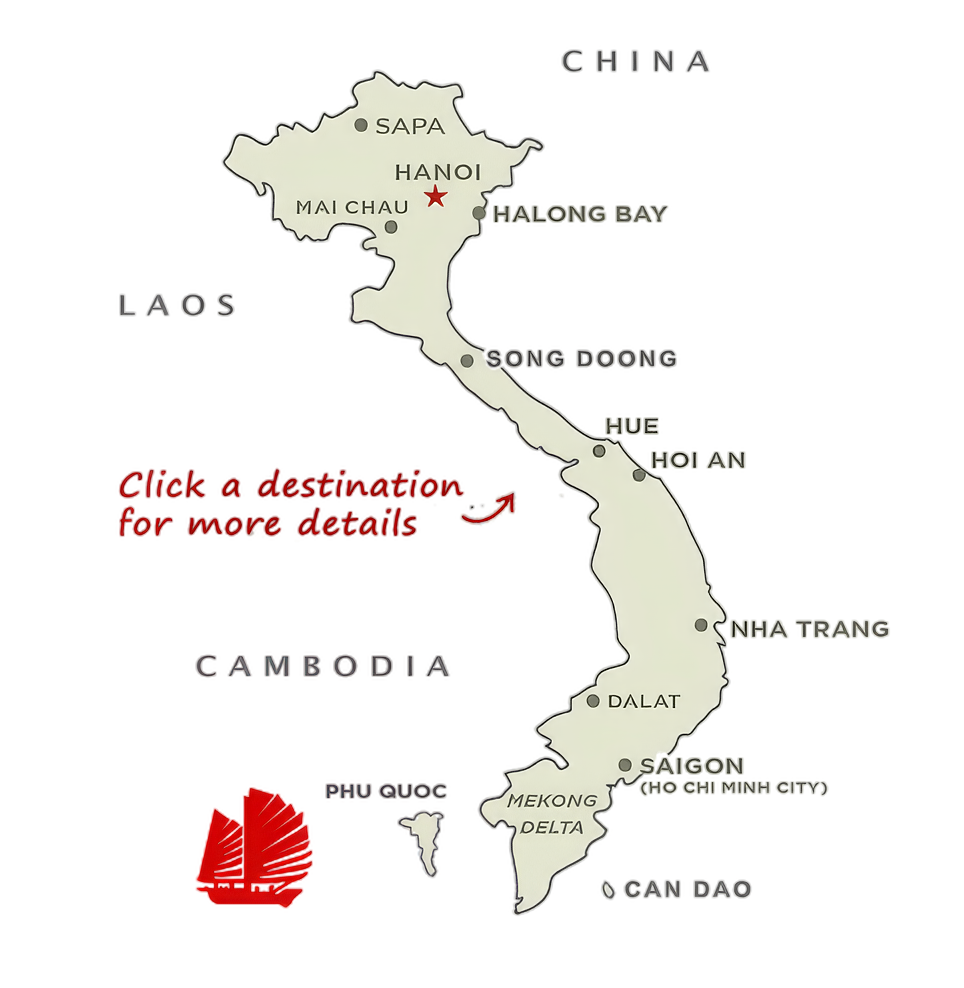
Hanoi

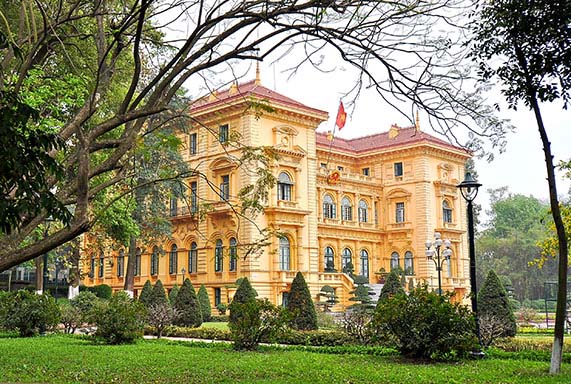
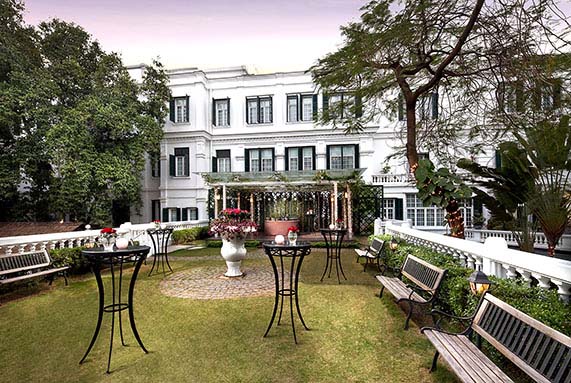
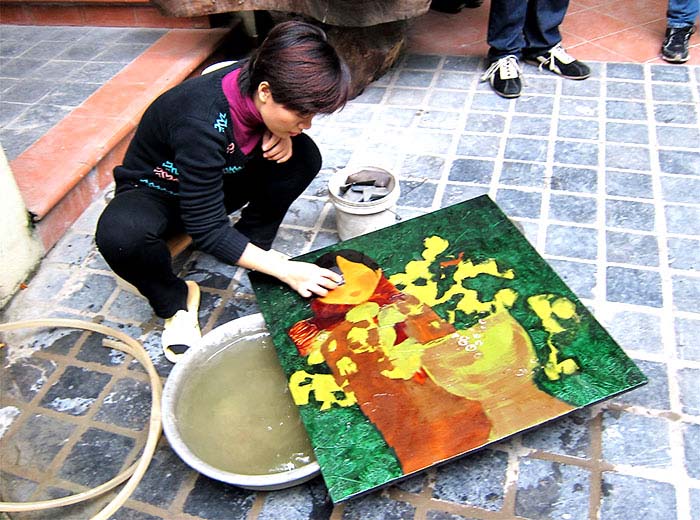
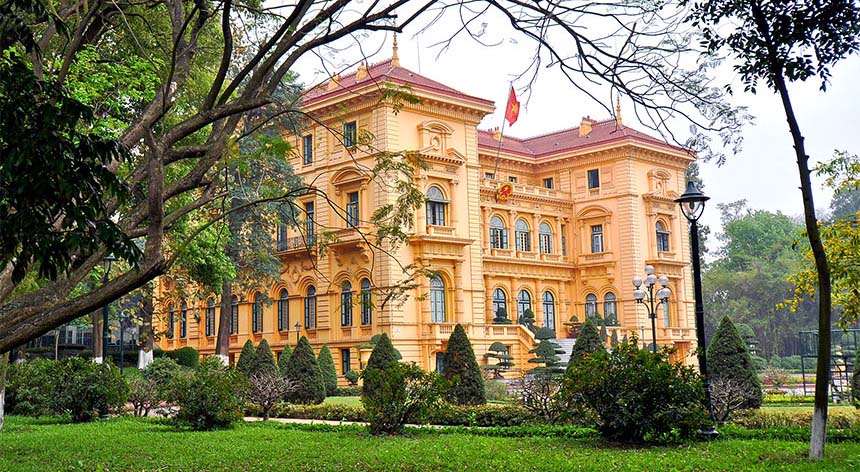
Though it's the Vietnam War that lingers with those who know Vietnam through film and television, it's the elegant French presence that strikes those who actually visit, especially in the capital city, Hanoi. Here are stately French-built mansions and tree-shaded boulevards, as well as art galleries in the Old Quarter selling works heavily influenced by French styles, cafés that dot the lake area serving French bread and drip-filter coffee, and Grand French villas of the embassy quarter.
Yet, though the origin of some customs and style are French, the interpretation is purely Vietnamese. Locals still move at bicycle pace, schoolgirls in graceful white ao dais pedal by, and women with conical hats sway under loads of country produce. The Bohemian capital of Indochina, the arts too are everywhere. All in all, Hanoi remains one of Asia's most fascinating cities.
Halong Bay

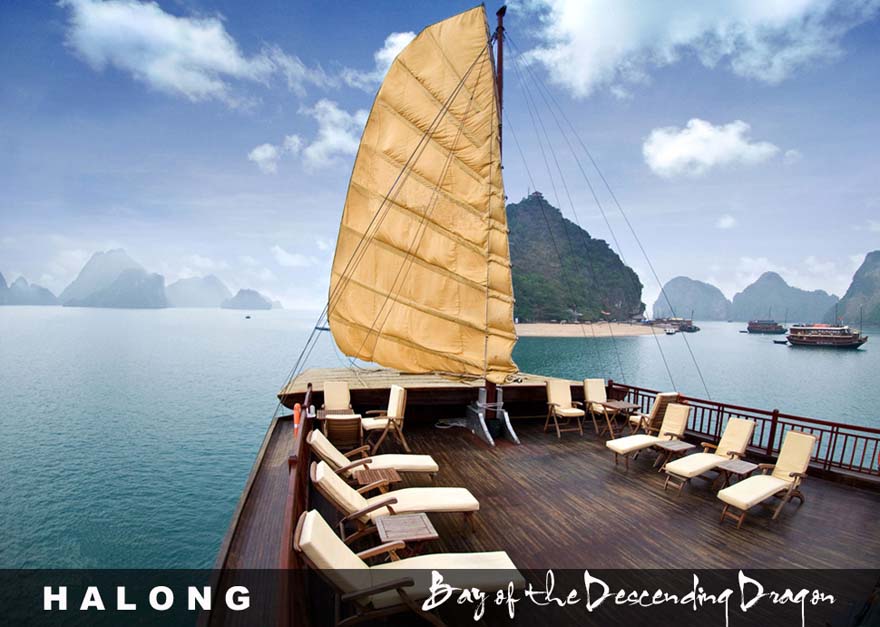
To glimpse how utterly magnificent Halong Bay is, watch the French film Indochine. Now imagine gliding across those same placid, emerald waters past hundreds of majestic karst islets, through caves into hidden lakes, and white-sand beach coves, your luxury charter ship or kayak passing beneath towering limestone peaks...
There is no other place like this in the world, a cruising experience on par with the Blue Voyage along Turkey's coast. Indeed, the romantic setting of rugged island peaks and bays dotted with sailing junks has inspired a whole genre of Vietnamese painting. Halong Bay, a UNESCO World Heritage Site with nearly two thousand picturesque limestone peaks is perfectly calm, wonderfully suited for kayaking close up to the limestone formations that offer fantasy wonderland for exploration.
Sapa
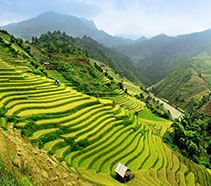
Sapa has changed dramatically since we led the very first trips there in the early 90s. The small town has been transformed by tourism and the weekend market is teeming with tourists. Still, the high-mountain setting is picturesque and offers extensive trekking for both light and extended trips when the weather permits.
Unfortunately, the weather in Sapa is most adverse during the December through February high season when temperatures can dip to the 30s with heavy fog and drizzle. Mai Chau offers a warmer (and closer) option for exploring hilltribe villages during these months.
Mai Chau

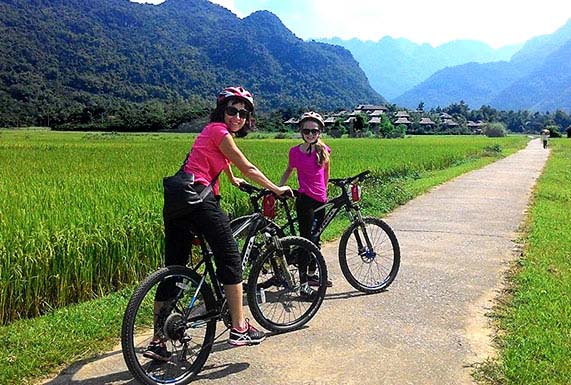
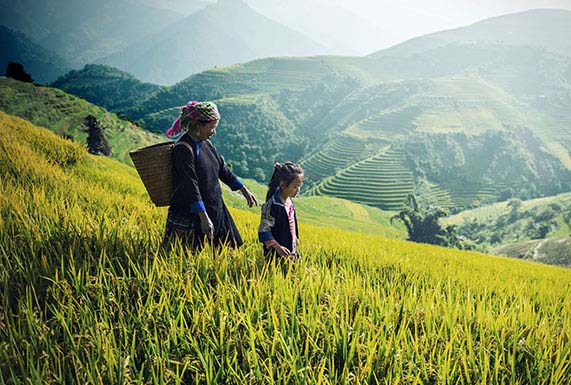
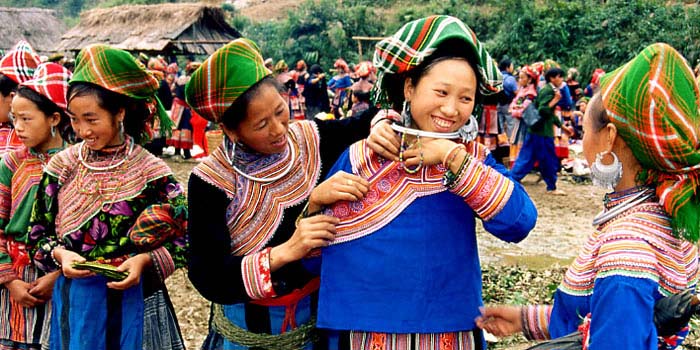
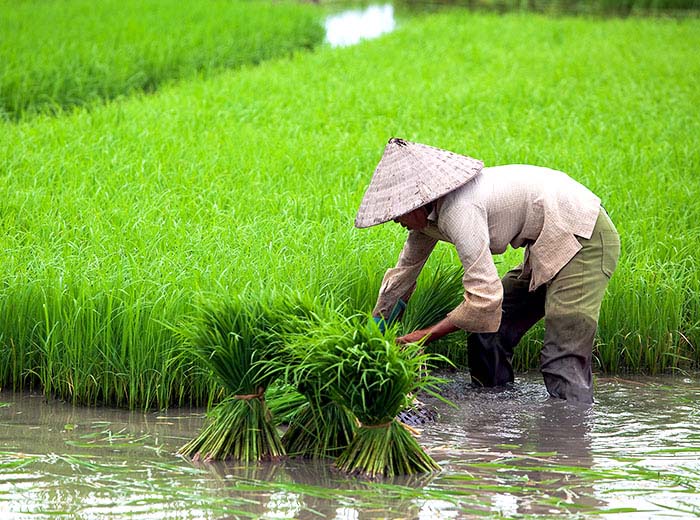
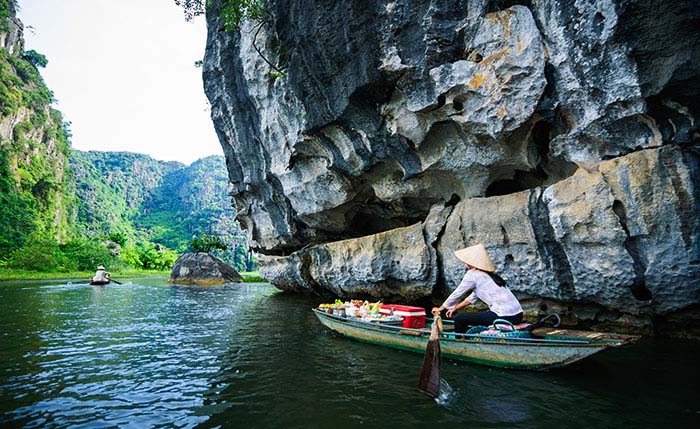
The small town of Mai Chau lies in a picturesque valley of the same name, featuring a bucolic setting of a towering limestone walls, patchwork quilts of rice paddies, and traditional long house villages. Not far from Hanoi (about a two and half hour's drive), Mai Chau offers some of the most spectacular scenery in Vietnam with a myriad of traditional hilltribes, mostly Tai and H'mong, scattered around the area.
Much has change in many places in Vietnam, but not much is very different in this remote area. In the winter, Mai Chau is a pleasant and far less touristed alternative to Sapa (which may also socked in with fog and experience freezing temperatures in winter). Indeed, Mai Chau offers some of the same attractions — hilltribes and beautiful scenery — at a more comfortable elevation, all without the crowds of tourists.
Song Doong Cave

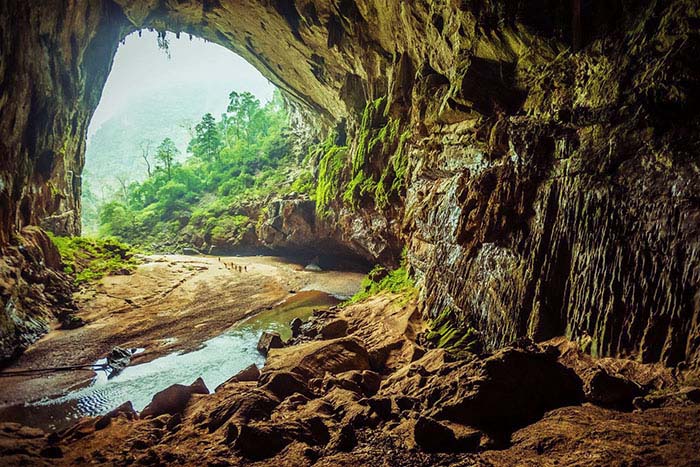
Astonishingly, the world's largest cave was founded only recently, in Vietnam. Designated a UNESCO World Heritage site in 2003, the remarkable Phong Nha-Ke Bang National Park contains the oldest karst mountains in Asia, formed approximately 400 million years ago. Riddled with hundreds of cave systems – many of extraordinary scale and length including Hang Son Doong (Mountain River Cave), the world's largest cave, is one of the most spectacular sights in Southeast Asia. – and spectacular underground rivers, Phong Nha is a speleologists’ heaven on earth.
Combine this trip with exploration of the war-era DMZ, former military bases, tunnels, and scenic mountains ideal for hiking and cycling, and the Imperial Capital, Hue.
Hue

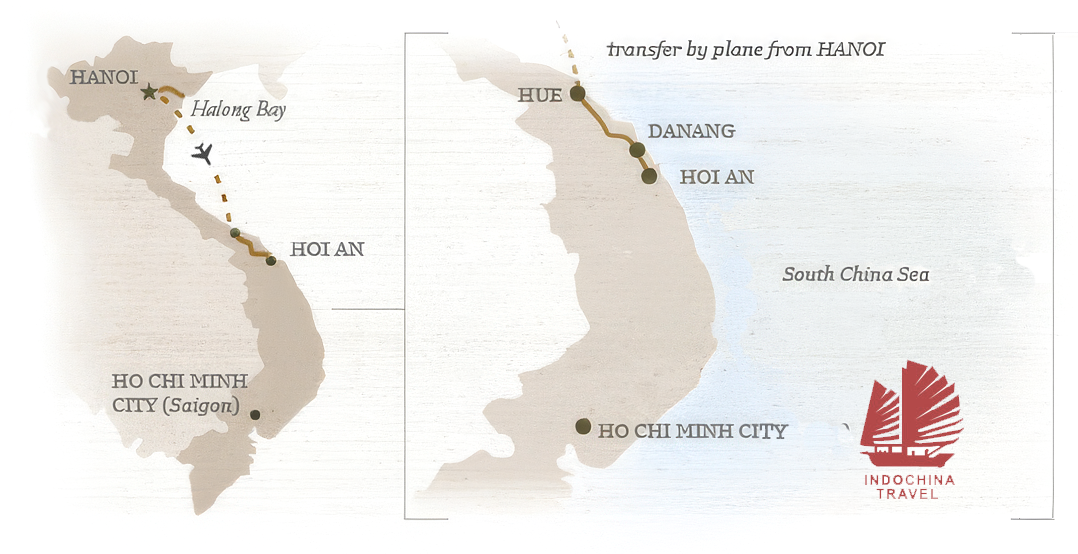
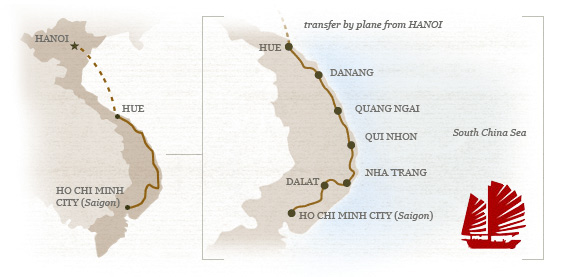
Hue has largely been bypassed by the wave of development that has washed over Saigon and nearby Danang, remaining a pleasant outpost on the central coast. Located roughly halfway between Hanoi and Saigon, Hue is arguably Vietnam's most picturesque and pleasant city where many travelers miss its true charms.
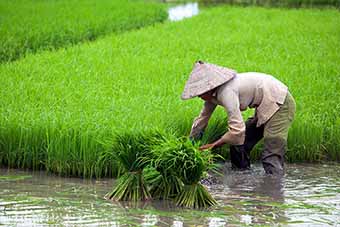
The landscapes here of endless emerald-green rice paddies, misty Perfume River, and colorful pagodas and tombs, are timeless inspiration for poets and painters.
Hoi An

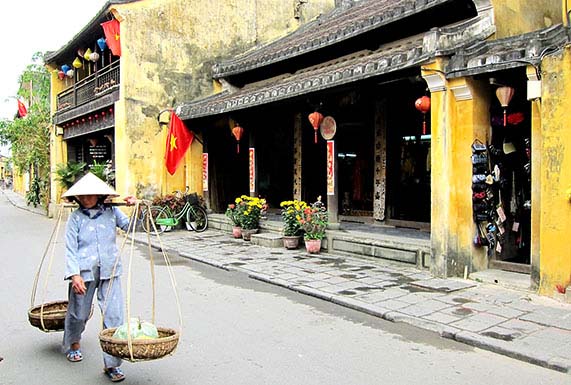
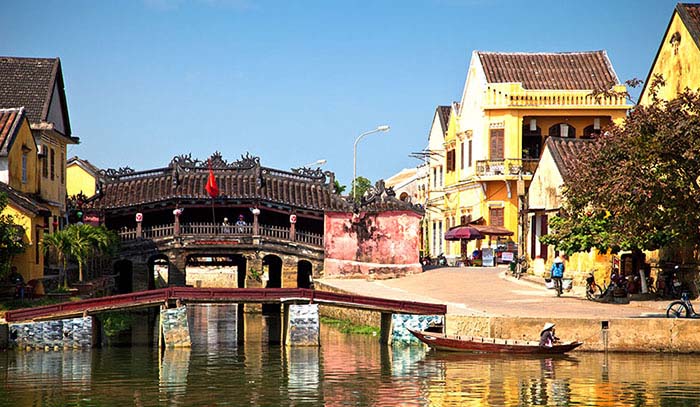
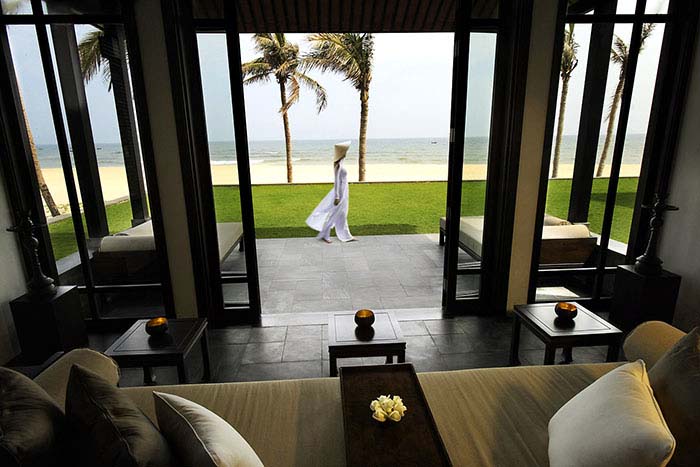
A small jewel on the central coast, Hoi An is an ancient port town situated on the Thu Bon River, just three miles inland from white sand beaches fronting the South China Sea. In the past, it was one of the most important trading ports in Southeast Asia before its port silted and influence ebbed.
Although it is no longer bustling with international trade nor hosting sailors and merchants from China, Vietnam, and Portugal, it is certainly getting a new lease on life by attracting tourists in its uniquely charming way, with chunks of its Old Quarter given over to restored hotels, cafes, restaurants, and galleries, pedestrian area, and, in 1999, Hoi An became a UNESCO World Heritage Site for its efforts.
Nha Trang
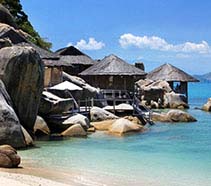
Established as a port town in the 1920s, once sleepy and unknown Nha Trang now has a population approaching 300,000, largely due to a two-decade boom in tourism. Once an idyllic, beautiful and undeveloped beach cove only a short hop north of Saigon, Nha Trang today is a bustling developed beach town popular with package tourists from around the world.
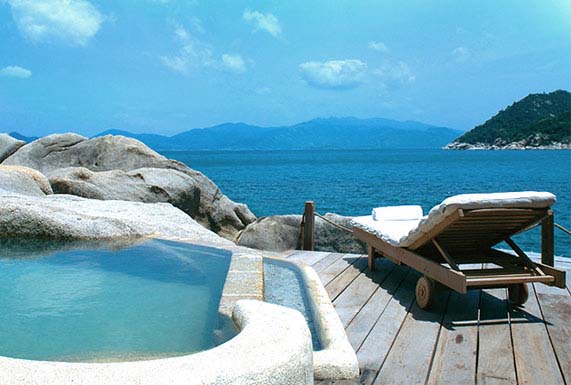
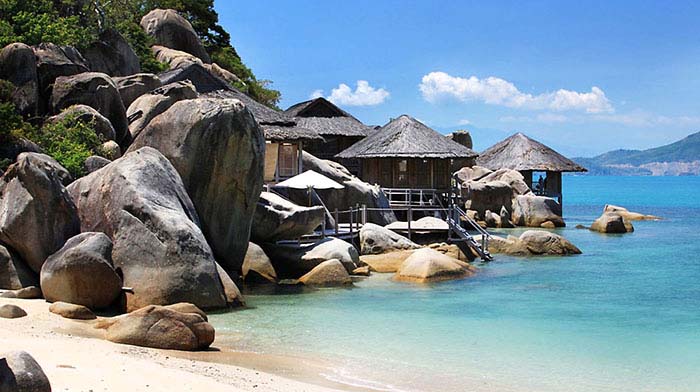
Although the town itself is no longer a recommended stop on your visit to Vietnam, there are two remote luxury resorts, including an Aman, to linger during longer trips when lounging in the sun by the pool is paramount and other beach destinations of Phu Quoc and Hoi An are inconvenient or experiencing cooler weather.
Dalat

Dalat was an entirely French creation, a small town complete with its own railway station, cathedral, lycée, shops, cafes, and villas—all erected in a remote valley in the Vietnamese highlands. With its pine forests, rolling hills, and tranquil lakes, the area could have passed for anyplace in France and provided a pleasant escape for homesick French administrators from the high summer heat of Saigon. Dalat is now a resort town, a favorite with honeymooners staying in the renovated elegant French villas. The Vietnamese wax poetic about Dalat and rave on in awestruck detail about every waterfall and valley.
If you're looking for a place to exercise your lungs, however, the hills around Dalat are great for hiking, biking, or breathing in that pine-scented air. Or shoot a few rounds of golf. Dalat market has excellent and varied fresh produce, which means dining out in Dalat is great. A good spot to rest up for a few days and rest muscles sore from biking or hiking.
Saigon (Ho Chi Minh City)

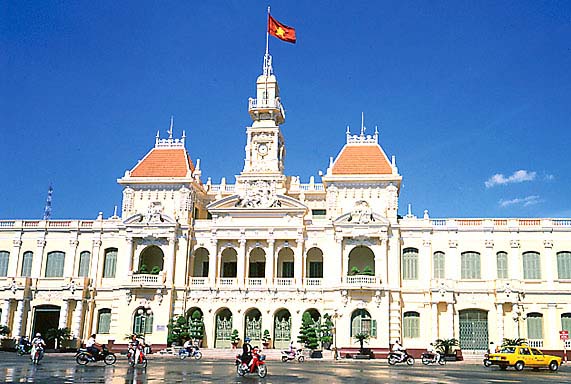
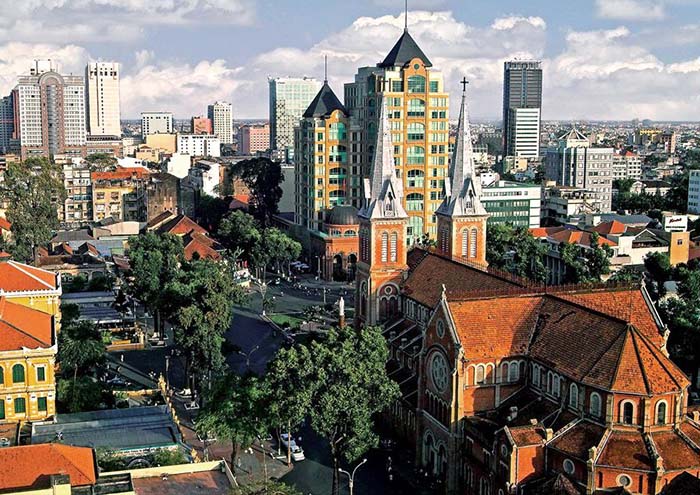
A visitor arriving from the north of Vietnam could mistake Saigon for another country. Whether it’s the sea of thousands of scooters, modern gleaming towers, and simply the sheer scale of the city, Saigon provides little continuity from the relative calmer and rustic north. Although no longer on out short list of must-see places in Indochina (for several years). However, we can ensure sprawling Saigon will be thrilling for a half-day or longer stopover en route to Angkor or other destinations. With a delightful collection of the country's best cafes and restaurants, the busy and restless nature of its inhabitants, or the abundance of great shopping, Saigon is an invigorating and intoxicating place.
It’s no surprise that Saigon, (as most locals still call it) exudes a youthful, inventive energy — after all, over half of its eight million dwellers are younger than 35. This dynamic spirit shines through in quirky cafes, innovative cuisine, and boutiques selling homegrown fashion. And when you need a breather from all that’s new and fabulous, it’s easy to steal quiet moments in rustic colonial buildings, contemplative art spaces, and cutting-edge designer shops.
The Mekong Delta
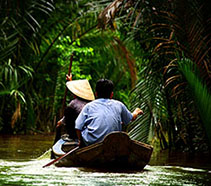
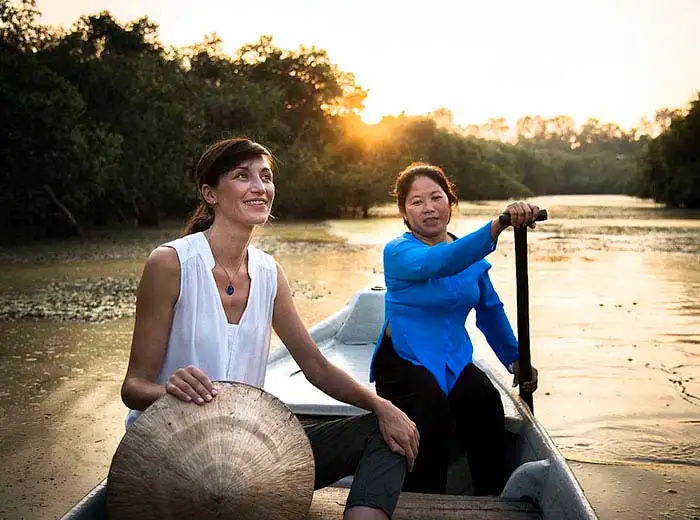
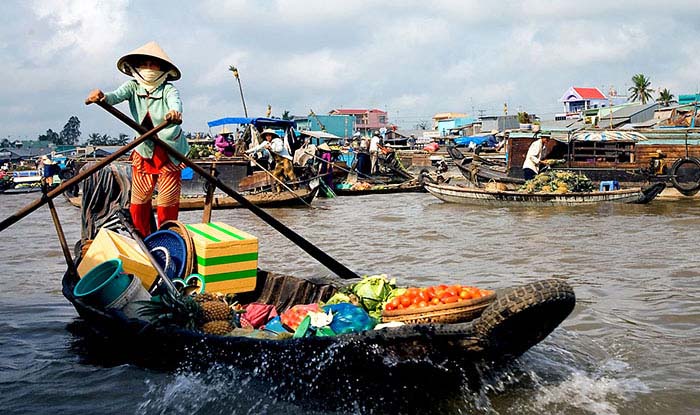
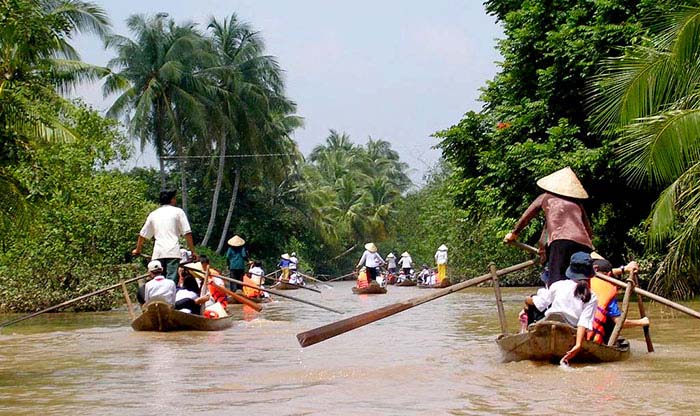
In the Mekong Delta the mighty Mekong River ends its run from the Himalayas, splitting into multiple branches before emptying sights and experiences for those who care to explore. If you make the effort you'll be amply rewarded. The delta is a region of extraordinary energy and market commerce, with burgeoning markets, the last floating markets in Asia, exotic fruit orchards, and more coconuts than you'd want to contemplate. The delta is a relaxing place, with good food (seafood!), pleasant river trips, cheap boats, and friendly people. You're never far from water in the delta, and boats in some districts are the main mode of transportation. Intriguing in the backwaters are the floating markets, which have disappeared in other parts of Asia.
If you've the time, we can organize Mekong Delta trip that travels through the heart of the delta (cycling is wonderful here), then by boat along the Mekong to Cambodia's sleepy capital, Phnom Penh. From Phnom Penh, the temples of Angkor are a short 30-minute flight to the north.
Phu Quoc Island Paradise
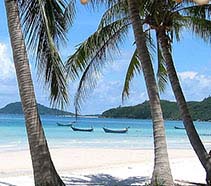
Treat yourself to Phuket of two decades ago. Only a 50-minute hop from Saigon lies Phu Quoc, Vietnam's, indeed Southeast Asia's best kept secret. A National Park, the 16-island archipelago of Phu Quoc (aka "the Emerald Isle") lies about 40 kilometers west of Ha Tien and, to many traveler's delight, is located within the Gulf of Thailand which has better weather than Vietnam's coastline destinations such as Nha Trang. The major island, Phu Quoc, is an 27 miles long and covering an astonishing 732 square miles. Lying only ten miles off the Cambodian coast, the island is disputed territory that also claimed by the Cambodians but the Vietnamese are beginning to develop the island. Phu Quoc Island boasts lush tropical forest and mountain zones.
The island is about the size of Singapore, but only about 75,000 people live here. Phu Quoc is blanketed with the largest remaining swath of tropical rain forest in Vietnam. The main activities are fishing and manufacture of the country's finest nuoc mam (fish sauce); about 18,000 inhabitants live mainly in the town of Duong Dong, on the west side of the island.
Con Dao Island
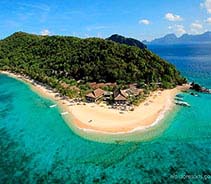
Vietnam’s newest and most remote, tropical escape to the luxurious Six Senses Resort Con Dao. An hour’s flight from Ho Chi Minh City (Saigon), Con Dao is the largest of a chain of a national marine park of 15 islands and islets, ringed with picturesque beaches, unspoiled coral reefs, with the best diving in Vietnam, scenic bays, and partially covered in tropical forests with trails for hiking.
In addition to hiking, diving and exploring deserted coastal roads there are interesting wildlife-watching opportunities, spotting such creatures the black giant squirrel and endemic bow-fingered gecko.