
Films that give texture to Vietnam before you travel—from contemporary Vietnamese cinema and French Indochina romances to war epics, travel television, and quiet domestic portraits.
Inside the Yellow Cocoon Shell (2023)
Phạm Thiên Ân’s Caméra d’Or–winning debut follows a man searching for meaning after a sudden family tragedy, traveling from Saigon into the rural landscapes of southern Vietnam. Slow, spiritual, and visually extraordinary—one of the essential Vietnamese films of the past decade.
The Lover
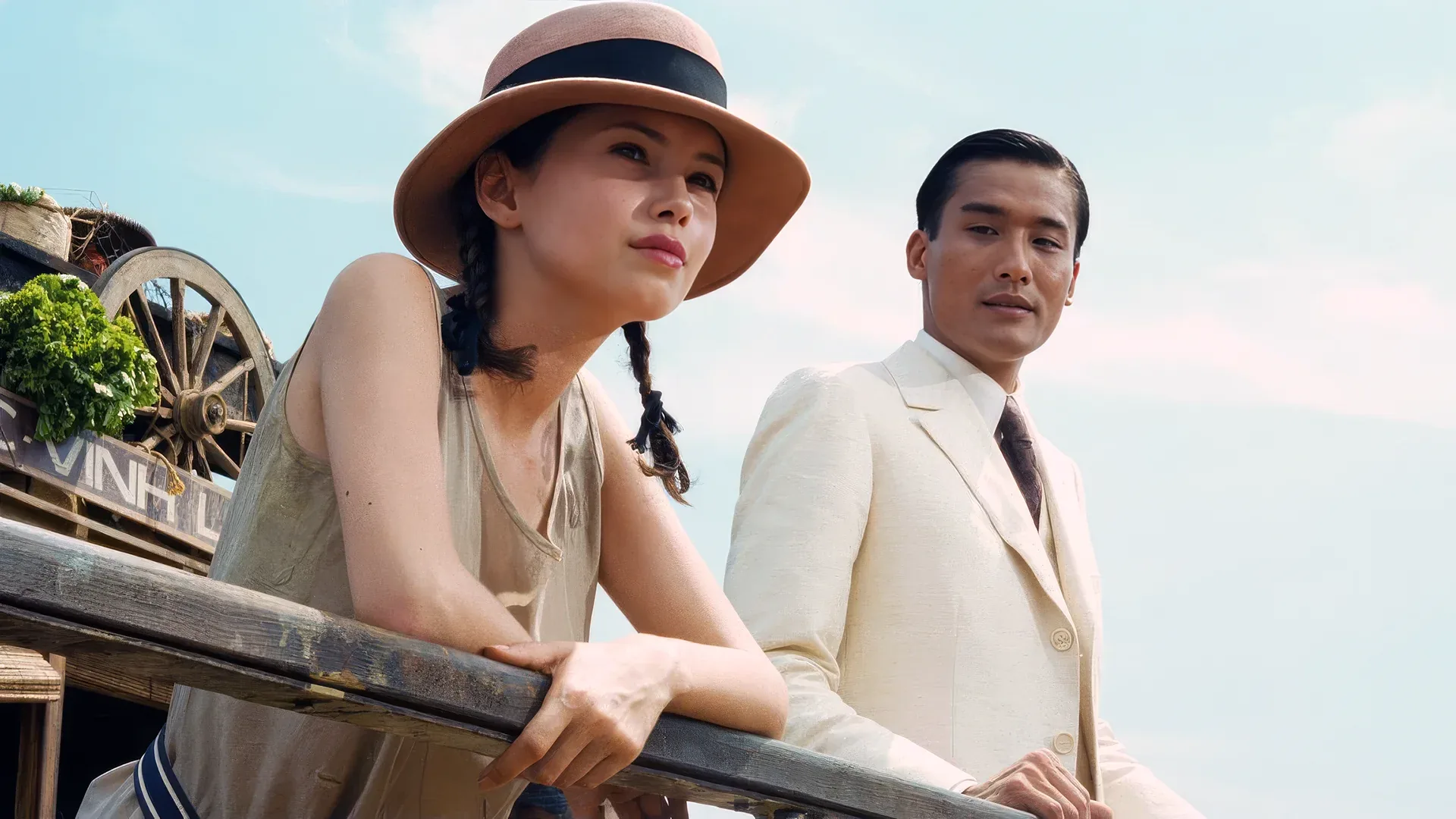
In this film by Jean-Jacques Annaud, based on a novel by Marguerite Duras, very beautiful and moody scenes recreate Saigon, the pearl of Indochina in the 1920s (the current Ho Chi Minh City).
Other film sequences take place in the Mekong Delta, notably Sa Dec, where Marguerite Duras lived between 1928 and 1931 and where she drew her inspiration for her autobiographical book, which was winner of the Prix Goncourt in 1984.
The Lover tells the story of a teenage high school student born into a poor family in Cochinchina. Upon returning to her boarding school, she meets a rich Chinese man in his thirties. She then embarks on a torrid affair with him, but claims to be only after his money.
Indochine
Often considered the classic colonial-era film about Vietnam. In a French colonial family operating rubber plantations in French Indochina from the 1920s to the 1950s, a love story unfolds between the family's heiress, Éliane (Catherine Deneuve), and a French naval lieutenant, Jean-Baptiste.
In 1993, Régis Wargnier's film Indochine won five César awards, respectively for best actress, best supporting actress, best cinematography, best set design and best sound; the Oscar for best foreign film and the Golden Globe for best foreign film.
The Scent of Green Papaya
Trần Anh Hùng’s delicate, Oscar-nominated debut (1993) follows a young servant girl in a Saigon household in the 1950s. Almost plotless and intensely sensory—light through shutters, the sound of chopping, the scent of fruit—it is among the most beautiful Vietnamese films ever made, and a quiet counterpoint to wartime epics.
The Quiet American
Graham Greene’s novel has been adapted for the screen more than once. The 2002 film starring Michael Caine and Brendan Fraser is the version most travelers know—a stylish window onto 1950s Saigon and the moral fog of early American involvement in Vietnam.
Monsoon (2019)
Hong Khaou’s quiet drama follows a British-Vietnamese man returning to Vietnam for the first time since childhood. Shot in Saigon and beyond, it is less a tourist postcard than a study of memory, belonging, and the soft unease of coming “home” to a place that no longer knows you.
Furie (2019)
Vietnam’s breakout action film: a former gangster turned single mother (Veronica Ngo) races to rescue her kidnapped daughter. Fast, stylish, and set against contemporary Saigon and the Mekong Delta, Furie showed the world that Vietnamese cinema could deliver crowd-pleasing adrenaline without losing local texture.
The Third Wife (2018)
Ash Mayfair’s luminous period drama follows a 14-year-old girl married into a wealthy 19th-century Vietnamese household as a third wife. Lush, restrained, and filmed in northern Vietnam, it is a haunting portrait of patriarchy, desire, and quiet rebellion.
Song Lang (2018)
Leon Le’s neo-noir romance brings together a debt collector and a cải lương (Vietnamese opera) performer in 1980s Saigon. Elegant, melancholic, and steeped in traditional theater, it is one of the most distinctive Vietnamese films of the past decade.
Daughter From Danang (2002)
This Oscar-nominated documentary follows Heidi Bub, airlifted from Vietnam as a child at the war’s end, as she returns decades later to meet her birth mother in Danang. Intimate and emotionally complex, it is essential viewing for anyone interested in Operation Babylift, mixed families, and the long afterlife of the war.
The Beautiful Country (2004)
A Vietnamese Amerasian boy journeys from rural poverty toward a father he has never met in America. Directed by Hans Petter Moland and starring Damien Nguyen with Nick Nolte, it spans Vietnam and beyond—a coming-of-age story shaped by the war’s unfinished personal histories.
Three Seasons (1999)
Tony Bui’s debut—the first American feature filmed in Vietnam after the war—weaves interconnected stories in Ho Chi Minh City, with Harvey Keitel as a veteran searching for a daughter left behind. Lotus ponds, cyclo drivers, and a city remaking itself: a landmark of post-embargo Vietnamese cinema.
Cyclo
Trần Anh Hùng’s Palme d’Or–winning neo-noir follows a young cyclo driver pulled into Saigon’s criminal underworld. Violent, poetic, and visually unforgettable, it remains one of the defining films of 1990s Vietnamese cinema—and a stark counterpoint to the director’s gentler Scent of Green Papaya.
The Vertical Ray of the Sun (2000)
Trần Anh Hùng’s third feature is a sensual family portrait set in Hanoi—three sisters, lingering summers, and the secrets that surface between meals and monsoon rains. Less plot than atmosphere, it is among the most beautiful cinematic introductions to northern Vietnam’s light and mood.
The Buffalo Boy
Minh Nguyen-Vo’s lush Mekong Delta epic follows a young man hired to tend water buffalo through flood season in colonial-era Vietnam. Sweeping landscapes, coming-of-age hardship, and a vivid sense of river life make it a memorable companion before traveling the Delta.
Vietnam War
Hollywood’s Vietnam War cinema shaped how much of the world imagined the conflict. These films are not travel documentaries—but they remain essential context for understanding the American memory of the war.
Apocalypse Now
Francis Ford Coppola’s hallucinatory Vietnam War epic—still the most famous cinematic vision of the conflict for many Western viewers. Shot largely in the Philippines, it is less a documentary of place than a fever dream of river, jungle, and moral collapse. Essential viewing for understanding how Vietnam entered the American imagination, even if the landscapes you visit today feel far removed from its chaos.
The Deer Hunter
Michael Cimino’s 1978 drama follows a group of Pennsylvania steelworkers before, during, and after Vietnam. Famous for its Russian roulette sequences and its portrait of working-class America undone by war, it won five Academy Awards including Best Picture—and remains one of the defining American films of the conflict.
Shows & Video
Anthony Bourdain

On many occasions Anthony Bourdain expressed his unparalleled love of Vietnam, including at one point claiming he was moving there. Bourdain’s Vietnam episodes (No Reservations and Parts Unknown) remain unmatched travel television—street food, history, and hospitality without the brochure gloss.
Luke Nguyen
Popular chef Luke Nguyen’s Vietnam series is another warm, food-forward companion like Bourdain. Luke, an Australian chef, restaurateur and television presenter, is of Vietnamese descent and his many food-focused documentaries on Vietnam (and Asia) are as much travelogues.
Turning Point: Vietnam (Netflix)
Netflix’s documentary series revisits the Vietnam War through archival footage and interviews, tracing how the conflict reshaped Vietnam and the United States. A clear, accessible companion for travelers who want historical context beyond Hollywood fiction.
The Last Wife (Netflix)
This Vietnamese Netflix drama follows a woman navigating power, desire, and survival in a patriarchal household. Stylish and emotionally charged, it offers a contemporary window onto Vietnamese storytelling for a global audience.