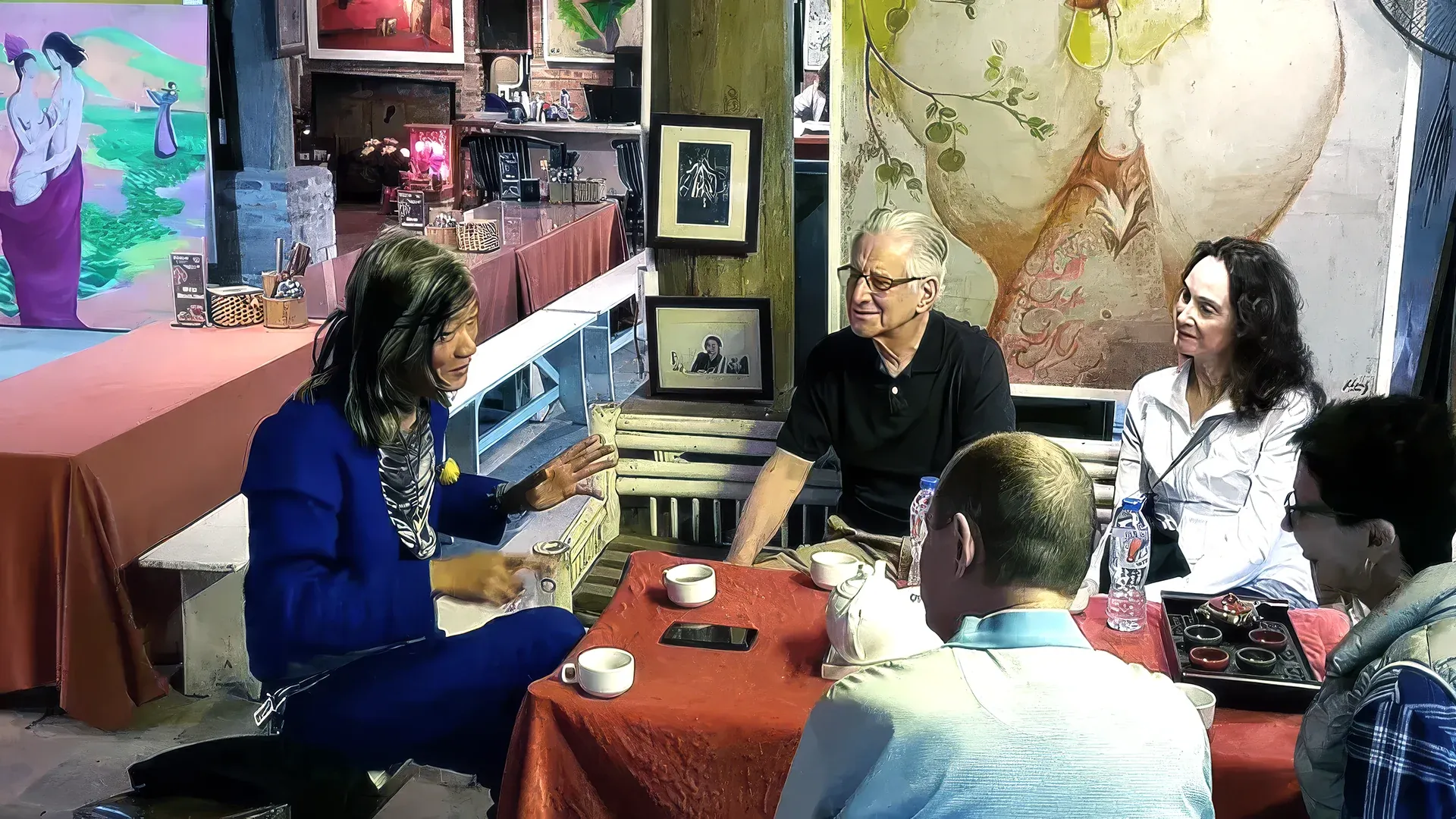

Artists are often the ideal cultural bridge, and this is especially true in Vietnam where
many prominent artists have exhibited abroad, are fluent in English, and are astute observers of their
own culture. We're always happy to make introductions with artists in Hanoi, where many of the country's
leading artists are based and most we know personally from our long experience, organizing the very
first arts tours of Vietnam in 1994, when artists were only beginning to emerge from a long post-war
slumber and poor economy. What a difference a couple of decades makes. Vietnam's artists have since
claimed the world-stage and the arts scene is Hanoi is one of the most vigorous in Asia. Meet privately
with the country's most renowned artists and learn of new mediums, including lacquer and thread
art.
Historical Roots of Vietnamese Art
From many centuries of Chinese rule, many traditional art forms were influenced by Chinese culture, such as calligraphy, while others reflect indigenous Vietnamese traditions or influences from the Cham and Khmer civilizations, such as textiles.

Traditional Vietnamese Arts and Crafts
Vietnamese artistic traditions showcase centuries of cultural influences from China, France, India, and regional creativity. Woodblock printing reached its pinnacle in the famous tranh Đông Hồ folk prints from Đông Hồ village, where artisans created vibrant images celebrating prosperity, good fortune, and daily life, using natural pigments and traditional techniques passed down through many generations. Ceramics flourished particularly in Bat Trang village, where potters developed distinctive glazes and firing methods that have made their porcelain renowned for over eight centuries and still popular today. Calligraphy, a strong component of the Chinese Mandarin class, was also prominent in Vietnam and remains so.
Religious and architectural arts reflect Vietnam's complex cultural heritage. Buddhist and Hindu influences shaped Vietnamese sculpture and temple architecture, with intricate stone carvings adorning ancient pagodas and temples. These works show clear influences from Cham and Khmer artistic traditions, echoing the grandeur found in neighboring Cambodia's Angkor temples. Wood carving became equally sophisticated, producing elaborate decorative elements for temples, traditional houses, and furniture. Vietnamese architecture itself tells this story through pagoda design, communal houses (đình), and the imperial architecture of Huế.
Textile arts remain vibrant today, particularly silk weaving and the intricate brocade (thổ cẩm) created by ethnic minorities in northern Vietnam. Traditional embroidery continues to embellish clothing and ceremonial items with delicate needlework that transforms fabric into art. Today, Hanoi still boasts many shops to view traditional textiles.
Performance arts include Vietnam's most distinctive contribution: water puppetry (múa rối nước), which originated in the Red River Delta and features a delightful show of wooden puppets dancing across water surfaces. Traditional theater encompasses Tuồng (classical drama), Chèo (folk opera), and Cải lương (reformed theater), while folk music traditions like Quan họ (alternating singing) and Ca trù (ceremonial singing) preserve regional musical heritage.
Modern Era
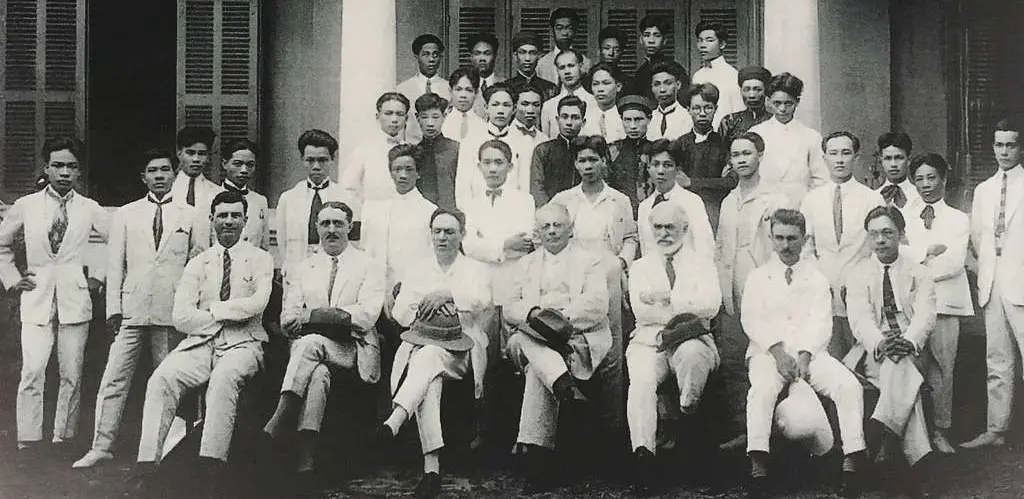
Hanoi's contemporary art scene is one of the most dynamic and evolving creative landscapes in Asia, blending deep unique, traditional roots with bold contemporary expression and styles. The robust transformation of Vietnamese Arts is particularly evident in the capital's artistic community, which has emerged from decades of restrictive policies to become an essential experience for any visitor with interest in the arts. A remarkable cultural fusion occurred between 1925 and 1945 at Hanoi's École Supérieure des Beaux-Arts de l'Indochine. Here, French instructors and Vietnamese students created something entirely new—neither purely Eastern nor Western, but a hybrid that would define Vietnamese art going forward. This period gave birth to Vietnam's most distinctive art forms, particularly sơn mài (lacquer painting) and silk painting. Vietnamese lacquer painting (sơn mài) is actually a young craft, starting in the 1930s at the L' Ecole des Beaux-Arts employing a technique that involves applying up to ten layers or more of colored and clear lacquer, with artists using natural materials like eggshells or mother of pearl (Nacre) to make white or cinnabar, a toxic ore, for red, creating works of extraordinary depth and luminosity.
Decades later, a vibrant contemporary art scene emerged in Hanoi, gaining significant momentum in the 1990s through a group of pioneering artists known as the "Gang of Five"—Dang Xuan Hoa, Ha Tri Hieu, Tran Luan, Hong Viet Dung, and Pham Quang Vinh—who captured international attention and put Vietnamese contemporary art on the global map. At the forefront of this experimental movement was the now-legendary Nha San Collective, which evolved from Nhà Sàn Studio, Hanoi's first experimental art space founded in 1998. The studio served as a crucial incubator for Vietnam's first generation of avant-garde artists who emerged in the early 1990s, including Truong Tan, Tran Luong, Nguyen Van Cuong, Nguyen Minh Thanh, Nguyen Quang Huy, Ea Sola, and Kim Ngoc. When the original studio closed in 2011, the collective reformed and continues its vital work of fostering experimental art and promoting contemporary Vietnamese culture.

The contemporary scene thrives across diverse mediums, from traditional lacquer and silk painting to video art, installation, and performance. CUC Gallery is the leading contemporary art gallery of Vietnam, which ranges from paintings, drawings, photographs, sculptures, installation, video and prints, while spaces like Manzi Art Space is regarded as one of the most avant-garde art spaces in Southeast Asia. Opened in 2012 by art enthusiasts Tram Vu and Bill Nguyen, Manzi has been a frequent place for a multidisciplinary-meeting-of-the-minds for over a decade.
Today's art scene balances reverence for traditional techniques with pushing boundaries of expression. While exhibitions continue to draw attention from authorities, the ensuing running battle is slowly relaxing attitudes of free expression, and with more progressive themes being incorporated into an increasing number of people's work and Hanoi's allure for discovering art has never been more compelling. The city's creative ecosystem now includes foreign cultural institutes such as the Goethe Institut and Japan Foundation, alongside locally-owned galleries like Nguyen Art Gallery, Mai Gallery, and Apricot Gallery, comprising a vibrant network that will impress visitors during their time in the capital.
Lacquer - The Quintessential Vietnamese Art Form
Even if your only vaguely familiar with traditional lacquer, you'll no doubt recognize it from the "lacquerware" now popular in Western shops and larger stores, featuring bright glossy colored bowls, vases, platters and more. Originally used primarily for adorning wooden items, lacquer painting, known as “son mai” in Vietnam, has evolved significantly over the past century. Today, it has emerged as a distinct and celebrated art form within Vietnam, to the extent that it is widely recognized as the nation's quintessential painting technique.

Vietnamese lacquer art has evolved from its traditional two-tone limitations to embrace a full spectrum of colors. Traditional lacquer techniques were limited to five colors: brown, black, red, yellow, and white, which created the distinctive restrained palette that characterized early Vietnamese lacquer art. However, modern artists have revolutionized the medium through technical innovations, including techniques in mixing dyes, the addition of various tones of green to enrich the color scheme, the drawing of shapes and figures, the use of shade and light with a wide range of different tones. Contemporary lacquer artists and craftsmen now use acrylic or oil-based pigments for certain effects and incorporate natural dyes derived from plants, flowers, or other organic sources to achieve specific colors and tones, transforming what was once a deliberately limited medium into a full-spectrum art form. This expansion reflects the broader evolution of Hanoi's art scene, where since Vietnam became more outward looking in the 1980s and 1990s, young artists have explored and reinvented the old art form, placing it in a new, contemporary context to create highly innovative and interesting paintings. In fact, many of Vietnam's premier artists work in lacquer, creating striking works in the medium, including Dinh Quan (below), who make liberal use of gold leaf.
Hilltribe Textile Traditions

Thread Art
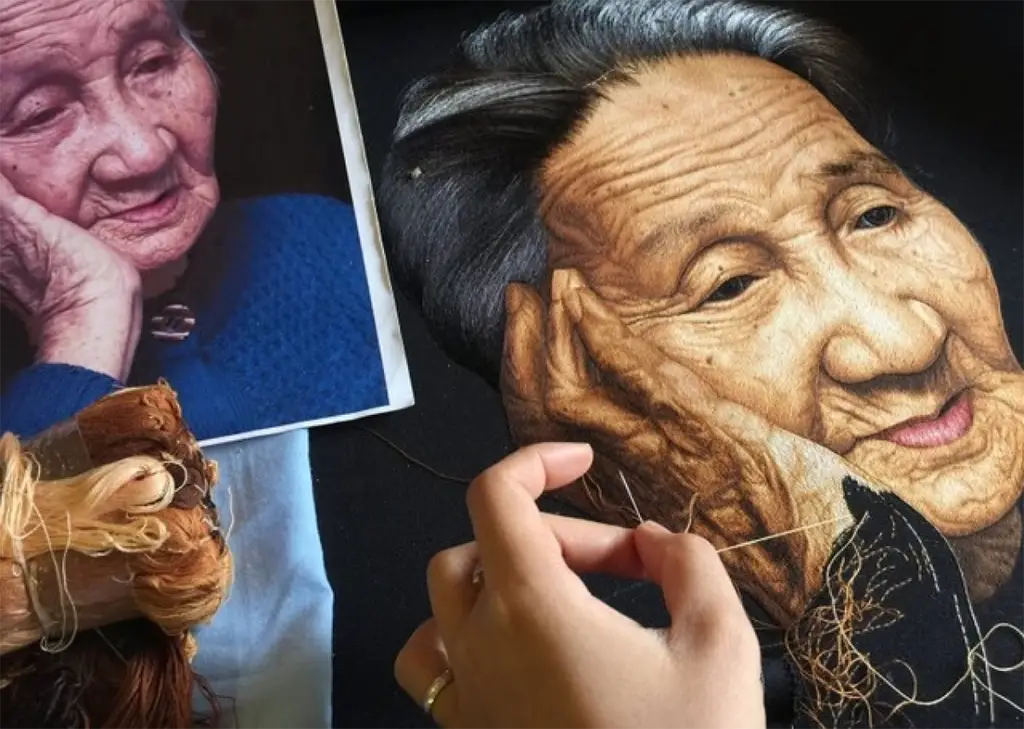
Blink, and you’ll never know Vietnamese thread, or embroidery art, exists. Not because you won’t see it in shops and galleries, but because the works look deceptively like oil or watercolors from anything but a close distance. It’s quite a delightful illusion when you experience it. The pain staking skill is also interesting to watch, with artists taking many days to complete pieces. An artist meticulously chooses each thread they use, and in some cases, apply hundreds different types and colors of thread into each piece. The medium has been worked for hundreds of years as a folk craft, but it’s only since the 1960s has it been elevated to a true art form.
Pottery
Like many other influences in music, cuisine, and culture, Vietnamese pottery and ceramics
during the Chinese-domination era was largely influenced by Chinese ceramics, but has since developed
over time to be distinctly Vietnamese. However, Vietnamese pottery and ceramics has a long history
spanning back to thousands of years ago, including long before Chinese domination, supported by
archaeological evidence. Vietnamese potters combined indigenous and Chinese elements, but also
experimented with both original and individual styles as well as applying styles from Cambodia, India
and Champa. In time,
Vietnamese ceramics were an essential part of the trade between Vietnam and its neighbors during
pre-modern times through all the periods.
The Hoi An Wreck
In the 1990s, a massive find of ceramics from a ship wreck was discovered 22 miles off the coast of
central Vietnam in the South China Sea. The ship was carrying a large cargo of Vietnamese ceramics from
the mid- to late-15th century, exceptionally rare pieces that numbered in the tens of thousands.
Surprisingly, the abundant find lead to a bounty for buyers. After distributing the best of the a third
of a million pieces of pottery and ceramic ware to among six museums across Vietnam, the remaining 90
percent of the ceramics were sold off at a Butterfield auction in San Francisco, circulating into the
hands of collectors and partially funding the Vietnamese authorities. To this day, you may pick up one
of the ship wreck pieces in Hoi An for a modest price.
Vietnam's most famous pottery village is Bát Tràng, which has now merged into suburban Hanoi, and
produces fine porcelain since before 1352. The village is located in an area rich in clay suitable for
making fine ceramics. If you're interested in ceramics, we can plan a half-visit from Hanoi in
conjunction with a pleasant rural temple.
Traveling to Paris anytime? Cernuschi Museum (7 avenue Vélasquez, Paris) has a comprehensive
collection nearly 1,800 artifacts spanning a period of over 2,500 years.
Propaganda Art
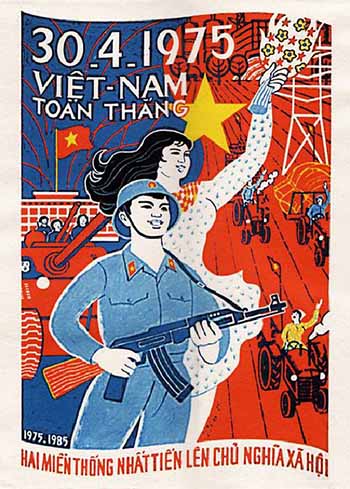
Propaganda art emerged, not during the Vietnam war as many believe, but earlier in the 1940s. Striking posters produced at that time were found to be very effective for social and political messaging to the general public. Afterwards, during the war, Soviet-style propaganda imagery was more widely adopted by the North Vietnamese as Ho Chi Minh believed in the Lenin's sentiment that art is not art unless it serves as propaganda. As a result, after the 1950s, young Vietnamese artists were sent to the Soviet Union to study propaganda art.
All these years later, reproductions of the posters are a popular seller in souvenir shops and online.
During your travel in Vietnam, you'll note that propaganda art is still used today on billboards and walls across the country to encourage certain practices or ideas in support of the state. Many feature "Bac Ho," or uncle Ho Chi Minh.
Reproduction Art
Travelers in Vietnam are often surprised to pass shops displaying perfect oil reproductions of European masterpieces, including Monet, Van Gogh, da Vinci and the like, but also iconic images, Asian landscapes and themes, as well as some original pieces. Say what you will about the kitsch factor, but here’s your chance to own a Degas.
Dan Bau Blues
One of the most remarkable aspects of the Water Puppets theater is the music and primarily the enchanting sound of the Đàn Bau, a traditional single-stringed instrument (now amplified) that creates a moody, bluesy sound. Let us arrange a delightful visit into the Old Quarter family whose daughter plays and will teach you to play the Dan Bau.
Playing the dan bau in Hanoi
Water Puppets
Hanoi’s most popular theater is this puppetry form unique to Vietnam. Every year during the annual rice harvest, farmers across Vietnam's Red River Delta would converge on village festivals for communal folk singing and dancing. Around a thousand years ago, these celebrations expanded to include an extraordinary new art form: water puppetry. The earliest performances took place in the very rice fields that had just been harvested—flooded with water to transform agricultural land into shimmering stages where wooden puppets danced across the surface, their movements reflected in the water below. This ingenious adaptation turned necessity into artistry, as the seasonal flooding that marked the end of harvest became the foundation for a uniquely Vietnamese theatrical tradition that would endure for centuries. Themes often surround village and royal court life.
We can arrange a private visit in the home theater of a master puppeteer, a delight with kids who may learn the art hands-on. We can also arrange to visit with a family of musicians who play at the performances, also learning how to play traditional instruments, including the bluesy dan bau (below).
Calligraphy

Vietnamese calligraphy is a synthesis of Chinese scholarly traditions and distinctly Vietnamese cultural expression that has evolved over more than a millennium. Introduced alongside Chinese characters (Hán tự) during periods of Chinese rule, calligraphy became deeply embedded in Vietnamese court culture, religious practices, and scholarly pursuits. The art form reached extraordinary heights during the Lý, Trần, and Lê dynasties, when Vietnamese scholars and artists developed their own interpretations of classical Chinese scripts while simultaneously creating the unique Nôm script to transcribe the Vietnamese language. Master calligraphers were revered figures who combined technical precision with poetic sensibility, their brushwork adorning everything from imperial edicts and temple inscriptions to personal correspondence and literary manuscripts.
In the past, with literacy in the old character-based writing systems of Vietnam being restricted to scholars and elites, calligraphy nevertheless still played an important part in Vietnamese life. On special occasions such as the Lunar New Year, people would go to the village teacher or scholar to make them a calligraphy hanging (often poetry, folk sayings or even single words). People who could not read or write also often commissioned at temple shrines. Calligraphy is still popular for sign motifs and advertising. We can arrange a workshop with a master of the art during your visit to Hanoi.
Today, Vietnamese calligraphy continues to thrive as both a preservation of cultural heritage, living art form, but is also prominent in advertising and signs. Traditional practitioners still master the "four treasures" of the study—brush, ink, paper, and ink stone—creating works that range from classical Chinese poetry to Vietnamese folk sayings and Buddhist sutras. The art serves practical ceremonial functions during Tết (Lunar New Year) when calligraphers in temples and markets write auspicious phrases and poetry for families to display in their homes. Contemporary Vietnamese artists have also pushed calligraphy into new territories, incorporating modern themes while maintaining respect for traditional techniques, ensuring this ancient art continues to evolve while honoring its deep historical roots in Vietnamese intellectual and spiritual life.
Vietnam is unique in Southeast Asia for having fully transitioned to a Latin-based writing system (called chữ Quốc ngữ), completely replacing Chinese characters and the indigenous Nôm script with the Latin alphabet. Thus, the Vietnamese are the only people who write calligraphy mainly in Latin letters.

Traditional & Village Opera
With origins in China, Vietnam’s traditional opera, or Hát tuồng, originated in the 10th century from folk music and dance. Another form, street opera, Cheo, is different from other folk-art forms, set upon a traditional stage art featuring a unique combination of singing, dancing, music and drama. The traditional opera is becoming popular again in areas around the Red River Delta, near Hanoi and there is an old theater in the capital with periodic shows and where we can arrange for you and your children to perform (below).

Photography in Vietnam
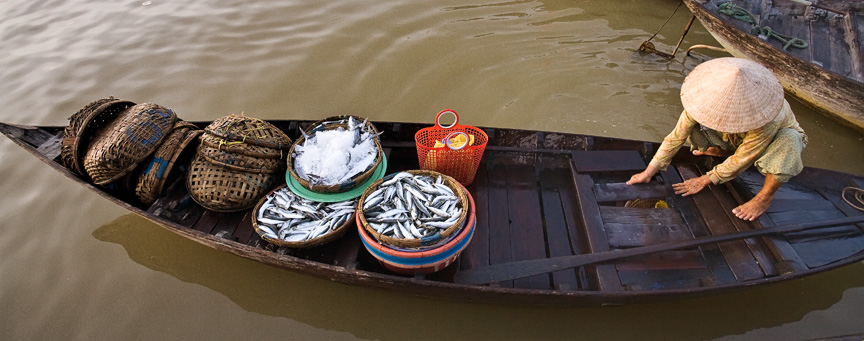
Vietnam is one of the most visually dynamic destinations in the world. During your private photo trips, work with premier local professional photographers to help develop and capture your unique vision, culminating in a collection of images that will be exceptional. Leverage our experience organizing group and private photography trips in Vietnam for amateur to professional photographers for decades. We can plan the perfect trip for your photography in Vietnam [View our Vietnam Photography Trips]
Hanoi Art Guide Uyên Ly
Tour Hanoi Art's community with Artist & Journalist Uyên Ly. While organizing the first Arts tours in Vietnam in the 1990s (Art Encounter Vietnam), we deeply understood some of the most insightful ambassadors to their own culture are typically artists themselves, not merely tour guides. In this respect, Ly is a wonderful escort in Hanoi, an artist, writer, but also a journalist and researcher with long eperience covering the Vietnamese art community.
Ly is not only a journalist, but also director of Hanoi Grapevine – a bi-lingual English and Vietnamese website and social network on contemporary art and culture events. She has covered the art and culture scene in Hanoi for over two decades.
Ly was also part of the jury board of Denmark – Vietnam Cultural Development and Exchange Fund (CDEF) from 2008 to 2013. Since 2014, Ly has been an independent researcher on cultural and creative hubs in Vietnam.

Featured Vietnamese Artists
Khac Quan was born and grew up near the renowned Bat Trang ceramic village. Khac Quan's clay works have made a strong impression as well as his ability to control the intricate porcelain making technique as form of sculpture. With Quan people witness his modern style and sophistication interpreted using only simple soil and enamel.
Dinh Quan Dinh Quan (below) is one Vietnam's premier artists, working on large lacquer and sculpture. His home gallery, in the heart of the bohemian enclave on the West Lake, is a fascinating visit and he is a gracious host who is fluent in English.
Meeting for tea with Hanoi artist Dao Anh Khanh 
Gam Troi - Vietnam's Art Valley
Gam Troi Art Valley is located not far from Hanoi in a tranquil valley surrounded by mountains, forests, and tranquil stream and lake. This Art Valley is the first art and nature retreat in Vietnam, the creation of Hanoi-based artist Dao Anh Khanh, a Vietnamese contemporary artist known for his diverse artistic practices, including painting and performance art. Khanh designed the Art Valley as a unique artistic space for relaxation and contemplation far from the capital city's hustle and bustle. The valley features unique art installations and architecture integrated with the natural landscape and is a pleasant day trip from, with stops to also visit local farms and villages.

Vietnam Artist Private Encounters
Lionel Descostes, a French artist, has been taking on the Vietnamese embroidery "painting" technique (canvases appear to be in oil but up close are actually thread - sewn art work) and has reinvented it in his own way, moving it out of the realm of traditional craft and semi-artistic production onto the stage of contemporary art. Tran Hieu is a painter, antique collector and dealer. Out of many antique collectors in the capital, Tran Hieu stands out. Born and raised in a Noble family in Hanoi, he inherited a rich collection of antique dating back up to five generations. Hieu continues to trade and collect from inside as well as outside of Vietnam. The collection includes wood, lacquer Buddhas and exotic statues, ancient ceramic, stone, porcelain, bronze drums from the Dong Son civilization which date back from thousand years ago.
Artist Viet Thanh lived and taught fine art, including painting, sculpture, lacquer, woodblock print in Sweden, but has recently moved back to Hanoi and is living and working from her White Lotus villa near the West Lake bohemian enclave.
Artist Mai Anh is a widely recognized painter whose works have been exhibited in Asia, Australia, Europe, Bermuda and the United States. Solo exhibitions include Santa Barbara, West Hollywood, and Carmel Valley. The paintings of Mai Anh are, according to Ian Findlay-Brown, Editor/Publisher of Asian Art News, "quietly emotional and determined. In her impressionistic/expressionistic oeuvre she goes her own way, mining her memories and her experience and observing the rituals and concerns of women around her."
The works of Van Duong Thanh show European influences of Impressionism, Expressionism, and semi abstract. She has combined harmoniously between these and Asian styles. She has had over fifty exhibitions around the world, including France, the U.S., Sweden, Singapore, and Germany with over 1,500 of her works in private reputable collections and art museums.
Water Puppets Theater is a fascinating, traditional performance art unique to Vietnam. We can arrange a private, hands-on performance learning the history of the art, stagecraft, and manipulation of the puppets with Master Puppeteer Mr. Phan Thanh Liem in his Hanoi studio. Children will be delighted and we will arrange water puppets gifts for your children after the performance.
Bui Mai Hien is one of a few groundbreaking Vietnamese painters (including Dinh Quan) who has taken traditional lacquer art and moved it forward into contemporary expression.
Pham Thi Kieu Phuc is a celebrated and innovative interior designer who founded Module 7. Phuc loves the silent, discreet nature of lacquer products and her designs have many origins. Some are inspired by the objects of Vietnamese everyday life; colonial hat, fish trap, buffalo, rock and trees. Others are inspired by Japanese design principles, following the Zen philosophy ‘less is more'. She especially likes bronze handmade products, as she feels that the hammers marks left in the product reveal the artisan's emotion. "If you buy a designer product, the most interesting thing is the creativity of the person who designed it" Phuc claims. More on Phuc Pham.
Dao Anh Khanh Tuong National Theater Troupe. Tuong was established in the 12th century and in the 17th century it was very much in vogue. The Tuong plays consist of songs and dances which are highly stylized, conventional and imbued with symbolism similar to Peking Opera. We can arrange a private visit to the beautiful theater house in the Old Quarter to meet privately with the troupe of actors in person. For families, the troupe will organize a full production with makeup, costumes and acting on the stage, a delightful experience.
Dao Anh Khanh (right) is a surrealist painter and controversial performance artist. He moves easily between painting canvasses, acrylic and lacquer with his very own technique. He may paint himself white and dance for hours in his own highly individual style. As a performance artist, Anh Khanh has performed all over the world including New York, Europe, and throughout Asia. Khanh is an internationally recognized leader among Asian artists who are breaking away from traditional, stylistic, and political constrains.
Musician Pham Chi Khanh is a traditional instrument maker and player who has been applying his passion in traditional music for more than 30 years. In 2010, he was in top of 100 "most special people" of 1,000th anniversary of Hanoi city. Mr. Pham's daughter is a prodigy on the bluesy instrument, the Dan Bau, and will instruct you hands on if you would like.
Vietnamese Arts with the kids
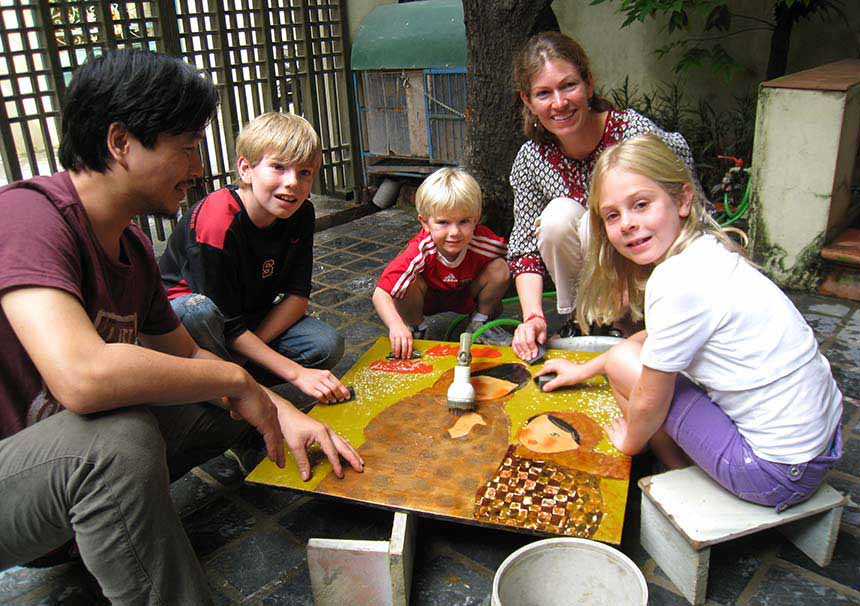
Vietnamese artists are some of the most accessible in the world, with even premier artists opening their studio doors for private visits with our travelers. For children, delightful activities include learning hands-on how to make fine lacquer art (above), lantern making, playing traditional instruments, calligraphy and water puppets with local masters. [View our Vietnam Family Trips]
Vietnam Art Souvenirs
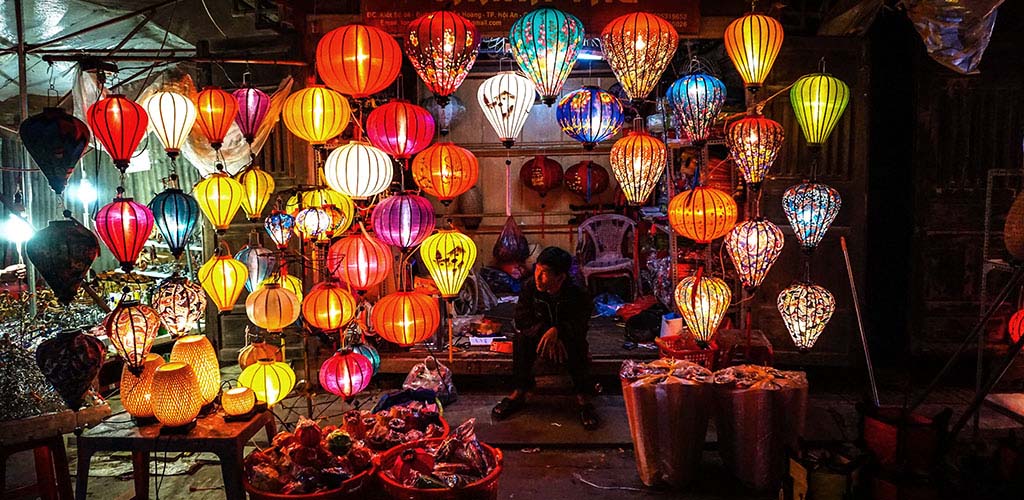
Vietnam has exceptional crafts and souvenirs, including original art, textiles and silks, carvings in wood and stone, fashion, lacquer art and lacquerware, as well as a wide variety of charming trinkets. Lanterns are a wonderful item to pick up on your way through Hoi An (below).

Vietnam Art Encounter Tour
For trip ideas and an example itinerary focused on Vietnam Arts, please see our Vietnam Art Encounter trip.